

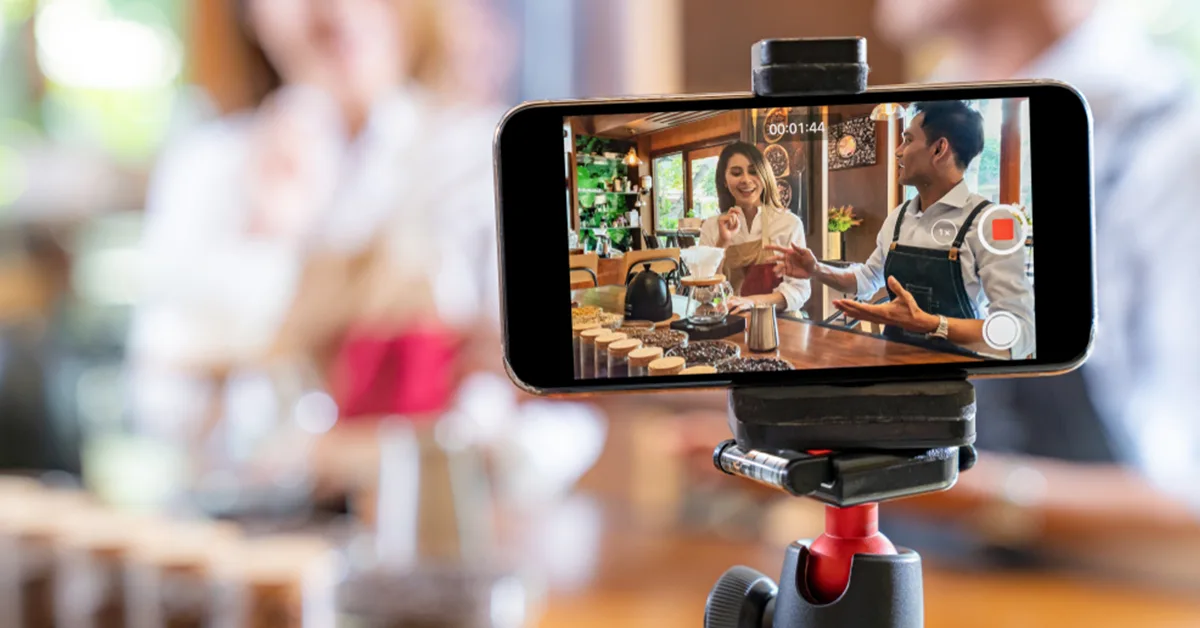
As we approach 2025, video marketing continues to dominate as one of the most powerful and influential tools for businesses looking to connect with their audience. With the rapid growth of video consumption on platforms such as YouTube, TikTok, Instagram, and Facebook, brands are finding new ways to integrate video into their marketing strategies. The evolution of video technology, coupled with the ever-changing preferences of consumers, means that businesses must stay ahead of the curve to remain relevant and competitive. As we look to the future, the key to successful video marketing lies not just in the creation of compelling content, but in adapting to new trends, technologies, and audience expectations. This article explores how to use video marketing effectively in 2025 and the strategies that will shape the landscape of digital marketing.
Selecting the right marketing agency requires evaluating experience, service capabilities, and the ability to deliver solutions that support specific business objectives.
1. Embrace Short-Form Video Content
The demand for short-form video content has skyrocketed, thanks in part to platforms like TikTok and Instagram Reels. In 2025, this trend is expected to continue, with audiences favoring bite-sized, snackable content that delivers value quickly. The challenge for brands will be to capture the viewer’s attention within the first few seconds—an essential skill in an era of diminishing attention spans.
To leverage short-form video effectively, businesses must craft videos that are impactful yet concise, ensuring that the message is clear without overstaying its welcome. Whether you’re creating product teasers, behind-the-scenes footage, or quick tutorials, the goal should be to entertain, inform, or inspire in under 60 seconds. Interactive elements such as polls, hashtags, or calls-to-action (CTAs) can also enhance viewer engagement.
Furthermore, the popularity of ephemeral content—videos that disappear after a set time—will likely continue to thrive in 2025. This type of content appeals to the desire for authenticity and exclusivity, which means brands should consider integrating time-limited videos into their social media strategy to create urgency and boost engagement.
2. Leverage Live Streaming and Real-Time Engagement
Live streaming has been gaining momentum in recent years, and by 2025, it will be an indispensable tool in any comprehensive video marketing strategy. Live video enables brands to connect with their audience in real-time, providing an authentic, unscripted experience that can build stronger relationships with viewers.
In the coming years, live streaming will likely evolve beyond traditional webinars and product launches. Expect brands to host virtual events, live Q&A sessions, product reveals, and behind-the-scenes tours to give their audience a sense of involvement and access. The real-time interaction fosters a sense of community, and the unpolished nature of live video makes it feel more personal and transparent.
Platforms like YouTube, Instagram, and Facebook already offer robust live-streaming capabilities, but 2025 will see even more advanced features—think augmented reality (AR) filters, interactive shopping, and improved quality streaming, making live video a crucial part of the customer journey. To make the most of live video, brands will need to plan events, create excitement, and offer exclusive content that motivates followers to tune in and engage.
3. Personalized Video Content and AI Integration
Personalization has been a buzzword in marketing for years, but in 2025, the integration of artificial intelligence (AI) will take personalized video content to the next level. With the growing use of AI-driven tools, businesses will be able to create tailored video experiences for their customers at scale. These technologies can analyze user behavior, preferences, and demographics to deliver hyper-relevant video content that feels uniquely suited to the viewer.
For example, personalized video ads could dynamically change based on a viewer’s browsing history or location, creating a more individualized experience that drives higher engagement and conversion rates. Similarly, interactive videos could allow viewers to make choices within the video, influencing the narrative and making them feel more involved in the brand’s story.
AI will also play a pivotal role in streamlining video production. Automated video editing tools will make it easier for brands to create professional-quality videos without the need for expensive equipment or extensive technical expertise. In fact, AI-powered platforms will allow businesses to optimize video content for different platforms, ensuring that each video is tailored to the specific preferences of the audience on that platform.
4. Interactive and Immersive Video Experiences
As the technology behind virtual reality (VR) and augmented reality (AR) continues to evolve, 2025 will see an increase in interactive and immersive video experiences. These formats are set to revolutionize video marketing by enabling users to interact with content in entirely new ways. For example, AR can enhance video content by overlaying interactive elements, while VR can immerse viewers in 360-degree video environments, creating a truly experiential form of marketing.
Brands will use these technologies to offer consumers the ability to explore products and services in ways that were previously unimaginable. In retail, for instance, virtual try-ons will allow customers to experience how clothes, makeup, or accessories look on them before making a purchase. Similarly, in real estate, virtual tours will give potential buyers a fully immersive experience of a property without leaving their homes.
As the cost of VR and AR technology decreases, businesses of all sizes will be able to experiment with these immersive formats, making them a compelling tool for video marketing in 2025.
5. User-Generated Content and Community Involvement
User-generated content (UGC) has long been a powerful way to build trust and credibility, and this trend will only grow in importance in 2025. Consumers are increasingly looking for authenticity, and content created by real users offers a level of relatability and trustworthiness that branded content often lacks. Brands will continue to encourage their followers to create and share videos that showcase their experiences with products or services.
To maximize the impact of UGC, brands can integrate these videos into their marketing campaigns, feature them on social media, or even build entire campaigns around them. This not only enhances engagement but also fosters a sense of community around the brand. User-generated content is a powerful tool for building brand loyalty, as consumers feel more connected to a brand when they are actively involved in its content creation.
6. Shoppable Videos and E-Commerce Integration
The integration of e-commerce and video marketing is set to reach new heights in 2025. Shoppable videos—interactive videos that allow viewers to click and purchase products directly from the video—will become more seamless and widespread. With the rise of platforms like Instagram Shopping and TikTok’s in-app purchase capabilities, brands will be able to convert viewers into buyers with a single click.
This form of video marketing combines the power of visual storytelling with the convenience of online shopping, creating an effortless purchasing experience for customers. In 2025, expect to see even more sophisticated shoppable video features, such as product recommendations based on viewers’ preferences and interactive elements that enhance the shopping experience.
7. Analytics and Data-Driven Video Strategy
As with all forms of digital marketing, analytics will be crucial to refining video marketing strategies in 2025. The ability to measure viewer engagement, retention rates, and conversion data will allow businesses to continually improve their video content. Advanced analytics tools will offer insights into how viewers interact with videos, providing valuable information on what resonates most with different audience segments.
Data will also help brands identify trends in video consumption and optimize content for maximum impact. Whether it’s determining the best time to post, tailoring content to specific demographics, or analyzing which type of videos drive the most sales, data will be the backbone of successful video marketing campaigns.
Conclusion
Video marketing in 2025 will be defined by innovation, personalization, and interactivity. With the continued growth of video consumption, brands will need to adopt more sophisticated strategies to engage their audience and stay ahead of the competition. By embracing short-form videos, live streaming, personalized content, immersive experiences, and e-commerce integrations, businesses can create powerful video marketing campaigns that drive engagement, loyalty, and revenue. As technology continues to advance, the future of video marketing will be both exciting and transformative, offering endless possibilities for brands to connect with their audiences in meaningful and creative ways.