
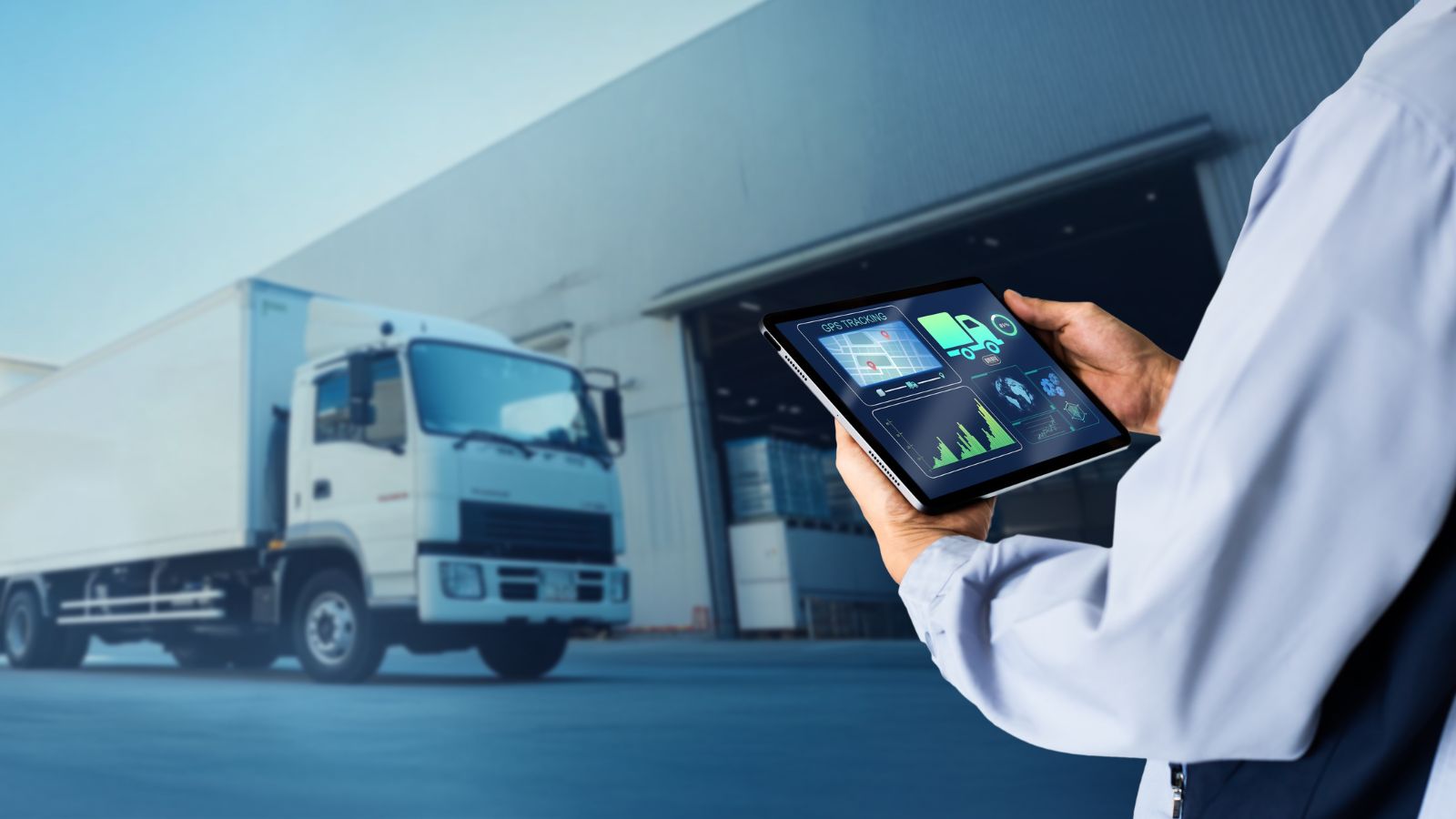

Digital tracking has quietly become the backbone of modern transportation. From logistics fleets and public transit to aviation and maritime operations, real-time data visibility is reshaping how vehicles move, how goods are delivered, and how passengers experience travel. What once relied on paper logs and delayed reporting is now powered by continuous data streams, enabling faster decisions and safer, more efficient operations.
The Rise of Digital Tracking Technologies
Transportation has entered a data-driven era. Digital tracking refers to the use of connected sensors, software platforms, and communication networks to monitor vehicles, cargo, and infrastructure in real time.
Key technologies driving this shift include:
- GPS-based location tracking for precise vehicle positioning
- IoT sensors measuring fuel usage, temperature, vibration, and wear
- Telematics systems combining vehicle diagnostics with driver behavior data
- Cloud analytics platforms transforming raw data into actionable insights
Together, these tools create a live digital map of transportation activity across regions and supply chains.
Real-Time Visibility and Operational Control
One of the most powerful benefits of digital tracking is end-to-end visibility. Transportation managers no longer operate blindly between dispatch and arrival.
With real-time tracking, organizations can:
- Monitor vehicle locations instantly
- Adjust routes in response to traffic, weather, or disruptions
- Detect delays before they escalate
- Coordinate fleets across multiple locations
This level of control reduces uncertainty and allows transportation systems to operate with far greater precision.
Improving Efficiency and Reducing Costs
Fuel, labor, and maintenance costs account for a large portion of transportation expenses. Digital tracking helps reduce waste by revealing inefficiencies that were previously hidden.
Cost-saving advantages include:
- Optimized routing that lowers fuel consumption
- Reduced idle time through driver performance insights
- Predictive maintenance that prevents expensive breakdowns
- Better asset utilization by identifying underused vehicles
Over time, even small efficiency gains translate into significant financial savings at scale.
Enhancing Safety and Compliance
Safety is a critical concern across all transportation sectors. Digital tracking improves safety by shifting from reactive reporting to proactive risk prevention.
Key safety improvements include:
- Monitoring speeding, harsh braking, and fatigue indicators
- Tracking compliance with driving-hour regulations
- Automatically recording incidents and near-misses
- Providing data-backed evidence for audits and investigations
By encouraging safer driving behaviors and ensuring regulatory compliance, digital tracking helps protect both operators and passengers.
Transforming Logistics and Supply Chains
In logistics, digital tracking has become essential rather than optional. Customers now expect accurate delivery estimates, real-time updates, and full shipment transparency.
Digital tracking enables:
- Live cargo monitoring across long-distance routes
- Automatic alerts for delays or temperature deviations
- Improved warehouse coordination and scheduling
- Data-driven forecasting for demand and inventory
This transparency builds trust while making supply chains more resilient to disruptions.
Smarter Public Transportation Systems
Public transportation is also benefiting from digital tracking innovations. Cities are using tracking data to make transit more reliable and passenger-friendly.
Key applications include:
- Real-time arrival predictions for buses and trains
- Adaptive scheduling based on demand patterns
- Faster incident response and service recovery
- Data-informed infrastructure planning
As urban populations grow, these systems help cities move more people with fewer resources.
Environmental Impact and Sustainability Gains
Transportation is a major contributor to emissions. Digital tracking supports sustainability goals by identifying opportunities to reduce environmental impact.
Environmental benefits include:
- Lower emissions through route optimization
- Reduced fuel consumption and idle time
- Better planning for electric and hybrid vehicle adoption
- Data-backed sustainability reporting
By making transportation more efficient, digital tracking aligns economic performance with environmental responsibility.
The Future of Transportation Tracking
Digital tracking is evolving beyond simple monitoring. Emerging developments include AI-powered predictive analytics, autonomous vehicle coordination, and vehicle-to-infrastructure communication.
In the future, transportation systems will increasingly:
- Anticipate disruptions before they occur
- Self-optimize routes and schedules
- Integrate seamlessly across air, land, and sea networks
- Deliver safer, cleaner, and more reliable mobility
Digital tracking is no longer just a tool—it is becoming the intelligence layer of global transportation.
Frequently Asked Questions
What is digital tracking in transportation?
Digital tracking uses GPS, sensors, and software platforms to monitor vehicles, cargo, and performance data in real time.
How does digital tracking improve delivery accuracy?
It provides live location updates and predictive arrival times, allowing companies to adjust routes and inform customers proactively.
Is digital tracking only useful for large fleets?
No. Small and mid-sized transportation operators also benefit through better efficiency, safety, and cost control.
Does digital tracking raise privacy concerns?
Yes, which is why responsible systems include data protection policies, access controls, and compliance with privacy regulations.
How does digital tracking support predictive maintenance?
By analyzing vehicle performance data, systems can identify wear patterns and schedule maintenance before failures occur.
Can digital tracking reduce transportation emissions?
Yes. Optimized routing, reduced idle time, and fuel monitoring directly lower fuel usage and emissions.
What industries benefit most from transportation tracking?
Logistics, public transit, aviation, maritime shipping, and construction all see major gains from digital tracking technologies.