

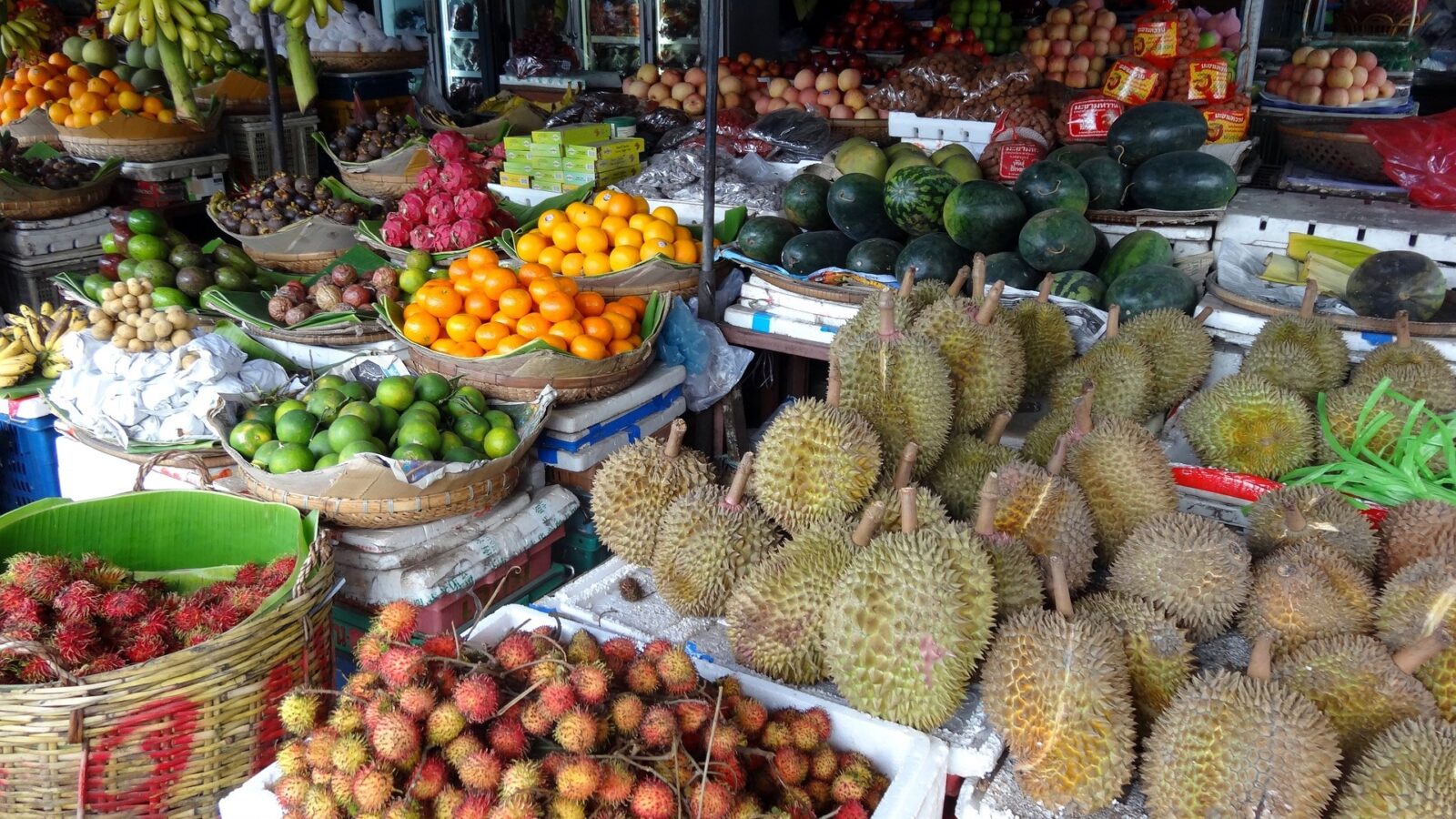
In export agriculture, quality is not defined at harvest alone. It is preserved through every stage of handling and transport. For a premium fruits supplier Thailand, maintaining product integrity from farm to market requires consistent processes rather than occasional inspection. Buyers expect fruit to arrive in the same condition it left the packing facility, regardless of shipping distance.
Product integrity begins in the field. Harvest timing must match maturity standards required by export markets. Picking too early affects flavor development. Harvesting too late reduces shelf life during transit. Careful selection at the farm level reduces waste further along the supply chain and supports consistent grading before packing.
However, harvest quality alone does not guarantee arrival quality. Handling procedures during washing, sorting, and packing determine how well fruit withstands movement and storage.
Controlled Post-Harvest Handling
Once harvested, fruit becomes more vulnerable to temperature change and physical damage. Gentle washing systems, careful drying, and structured sorting lines help reduce bruising and surface defects. Even small impacts during post-harvest handling can shorten shelf life.
Temperature management begins immediately after harvest. Pre-cooling reduces internal heat and slows deterioration. For many fruit types, rapid stabilization of temperature significantly improves transit performance. Suppliers who control this stage carefully reduce the risk of quality loss before the shipment even leaves the facility.
Grading and Quality Checks
Consistent grading supports integrity throughout distribution. Uniform size and ripeness reduce pressure points during packing and stacking. Mixed grades increase the chance of uneven ripening or inconsistent presentation at retail level.
Quality control checks before loading confirm that cartons meet agreed specifications. Visual inspection, weight verification, and labeling accuracy all contribute to reliability. Buyers expect these checks to be routine rather than reactive.
Regular monitoring also helps identify issues early. If minor inconsistencies appear, they can be corrected before export rather than discovered at destination.
Packaging and Transit Stability
Packaging materials protect fruit during movement. Strong cartons, proper ventilation, and stable pallet stacking reduce internal shifting. Airflow design within cartons helps manage moisture levels, which is particularly important during long sea shipments.
Container selection and temperature settings must match the specific fruit variety. Incorrect temperature ranges can shorten shelf life even if the product was harvested and packed correctly. Consistent transit conditions help preserve texture, color, and freshness upon arrival.
Logistics planning also plays a role. Coordinated shipping schedules minimize delays at port and reduce exposure to uncontrolled environments.
Traceability and Communication
Modern export markets increasingly require traceability. Batch tracking from farm to shipment allows suppliers to respond quickly if questions arise. Clear records strengthen buyer confidence and support long-term contracts.
Open communication throughout the shipment process reduces uncertainty. Providing updates on departure, estimated arrival, and any transit adjustments helps buyers plan distribution and retail timelines.
Maintaining product integrity is not a single action. It is a chain of disciplined steps that begin in the field and continue through export. When each stage is managed carefully, fruit arrives in condition that reflects its original harvest quality, supporting repeat orders and stable trade relationships.