

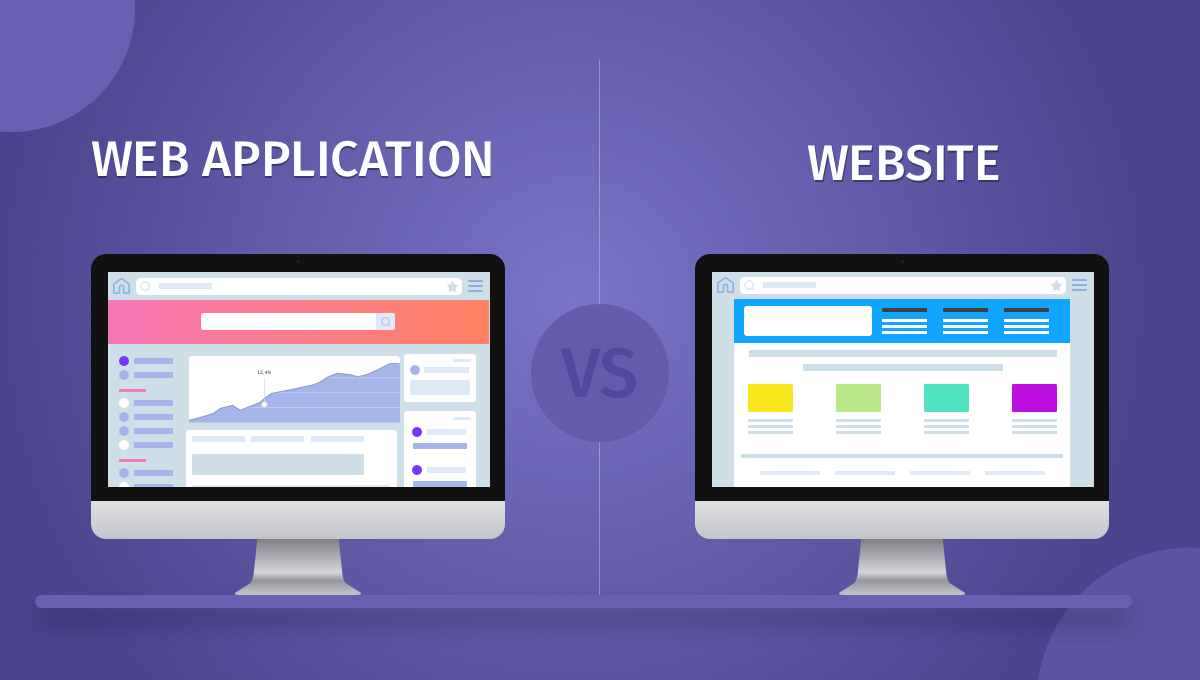
In today’s digital-first business environment, websites and web applications have evolved far beyond their traditional roles as online brochures or informational platforms. They have become essential business assets that facilitate sales, manage customer interactions, process transactions, deliver services, and support daily operations. Whether it is an e-commerce store, a customer portal, a SaaS platform, or a corporate website, users expect flawless performance every time they interact with a digital product.
Reliable app testing services ensure applications meet quality standards before release. Testing experts evaluate usability, functionality, and performance across different devices and environments. By identifying and resolving issues early, businesses can improve customer satisfaction, reduce maintenance costs, and deliver a more dependable application experience.
A single malfunctioning feature, slow-loading page, or security vulnerability can negatively impact customer perception and result in lost opportunities. For this reason, software testing has become a critical component of website and web application development. It ensures that digital platforms function correctly, perform efficiently, and provide a seamless user experience across different devices, browsers, and operating environments.
As businesses continue to compete in increasingly crowded digital markets, comprehensive software testing is no longer optional—it is a strategic investment in quality, customer satisfaction, and long-term growth.
Understanding Software Testing for Websites and Web Applications
Software testing is the process of evaluating a website or web application to verify that it meets functional, performance, security, and usability requirements. The objective is to identify defects, inconsistencies, and potential risks before users encounter them.
Unlike traditional desktop software, web applications operate within a complex ecosystem that includes:
- Multiple browsers
- Various operating systems
- Mobile devices
- Cloud environments
- Third-party integrations
- Diverse network conditions
This complexity makes testing particularly important, as even a small issue can affect thousands of users simultaneously.
Effective testing helps businesses deliver reliable digital experiences while minimizing operational and reputational risks.
Why Software Testing Is Essential for Modern Businesses
A website or web application often serves as the first point of contact between a company and its customers. Users form impressions within seconds, and those impressions can significantly influence purchasing decisions and brand perception.
Without proper testing, businesses risk encountering:
- Broken functionality
- Slow performance
- Security breaches
- Compatibility issues
- Customer frustration
- Revenue loss
Testing helps eliminate these risks by ensuring that applications perform as expected under real-world conditions.
Functional Testing: Ensuring Everything Works Correctly
Verifying Core Features
Functional testing focuses on validating whether website and application features operate according to business requirements.
Examples include:
- User registration
- Login authentication
- Contact forms
- Product searches
- Shopping carts
- Payment processing
- Account management features
Every function must work accurately and consistently to provide users with a positive experience.
A broken checkout process, for example, can immediately impact sales and customer trust.
Preventing Workflow Disruptions
Business websites often contain interconnected workflows. An issue in one area may trigger problems elsewhere.
Functional testing helps ensure that:
- Data flows correctly between systems
- User actions produce expected results
- Business rules are enforced properly
- Integrations function seamlessly
This comprehensive validation reduces the likelihood of operational disruptions after deployment.
Performance Testing: Delivering Speed and Reliability
Meeting User Expectations
Modern internet users have little patience for slow websites. Research consistently shows that users abandon sites that take too long to load.
Performance testing evaluates:
- Page load speed
- Server response times
- Database efficiency
- Resource consumption
- Application responsiveness
By identifying bottlenecks early, businesses can optimize performance before customers are affected.
Handling Traffic Surges
Websites and web applications often experience unexpected increases in traffic due to:
- Marketing campaigns
- Seasonal promotions
- Product launches
- Viral content
- Special events
Load testing simulates these conditions to determine how systems perform under pressure.
This enables businesses to prepare infrastructure appropriately and avoid downtime during critical periods.
Security Testing: Protecting Business and Customer Data
Addressing Cybersecurity Risks
As cyber threats continue to evolve, security has become one of the most important aspects of web application testing.
Business websites frequently handle:
- Personal customer information
- Payment data
- Business records
- Login credentials
- Confidential communications
Security testing helps identify vulnerabilities before they can be exploited by malicious actors.
Common Areas Evaluated During Security Testing
Security assessments typically examine:
- Authentication mechanisms
- Authorization controls
- Data encryption
- Session management
- Input validation
- API security
Addressing weaknesses in these areas significantly reduces the risk of data breaches and cyberattacks.
Strengthening Customer Confidence
Customers are increasingly aware of privacy and security concerns. Businesses that demonstrate strong security practices are more likely to earn trust and retain customers over time.
A secure application not only protects information but also reinforces brand credibility.
Compatibility Testing: Reaching Every User
Supporting Multiple Browsers
Users access websites through a variety of browsers, including Chrome, Safari, Firefox, Edge, and others.
Compatibility testing ensures that applications function consistently regardless of browser choice.
Without proper testing, businesses may encounter:
- Layout inconsistencies
- Broken features
- Display issues
- Performance variations
These problems can negatively affect user engagement and conversion rates.
Optimizing Mobile Experiences
Mobile traffic now accounts for a substantial portion of internet usage. A website that performs well on desktop devices but struggles on smartphones risks losing a significant audience.
Mobile compatibility testing verifies:
- Responsive design functionality
- Touchscreen interactions
- Mobile navigation
- Screen adaptability
- Device-specific performance
Providing a consistent experience across devices improves customer satisfaction and accessibility.
Usability Testing: Creating Better User Experiences
Understanding User Behavior
A technically sound application can still fail if users find it difficult to navigate.
Usability testing focuses on evaluating how real users interact with the platform.
This process helps identify:
- Confusing navigation
- Inefficient workflows
- Poor interface design
- Accessibility barriers
- User frustration points
Addressing these issues leads to a more intuitive and enjoyable experience.
Increasing Customer Engagement
When users can accomplish tasks quickly and easily, they are more likely to remain engaged.
Improved usability often contributes to:
- Higher conversion rates
- Increased customer retention
- Reduced support requests
- Stronger brand loyalty
Usability testing helps businesses align their digital experiences with customer expectations.
Regression Testing: Maintaining Stability During Updates
Managing Continuous Improvements
Most business websites and web applications undergo frequent updates to add features, improve functionality, and address security concerns.
However, changes can unintentionally introduce new problems.
Regression testing verifies that existing functionality remains intact after modifications are made.
Supporting Agile Development
Many organizations use Agile development methodologies that involve continuous releases.
Regression testing allows teams to:
- Release updates confidently
- Detect unintended side effects
- Maintain software quality
- Reduce deployment risks
This contributes to a more stable and reliable application over time.
The Business Benefits of Comprehensive Software Testing
Improved Customer Satisfaction
Reliable applications create positive user experiences that encourage repeat visits and ongoing engagement.
Satisfied users are more likely to:
- Complete purchases
- Recommend services
- Leave positive reviews
- Remain loyal customers
Reduced Operational Costs
Fixing software defects before deployment is significantly less expensive than resolving issues after release.
Testing helps minimize:
- Emergency fixes
- Support costs
- Downtime expenses
- Lost productivity
Enhanced Brand Reputation
A polished, dependable website reflects professionalism and competence.
Businesses that consistently provide high-quality digital experiences strengthen their reputation and gain a competitive advantage.
Increased Revenue Opportunities
Every aspect of software quality influences revenue generation.
Testing helps optimize:
- Customer acquisition
- Conversion rates
- Transaction completion
- User retention
- Customer lifetime value
The result is a stronger return on digital investments.
Best Practices for Effective Website and Web Application Testing
Organizations seeking maximum value from testing should adopt a structured approach that includes:
- Testing early in the development process
- Automating repetitive test cases
- Conducting regular security assessments
- Performing cross-browser validation
- Testing on multiple devices
- Monitoring performance continuously
- Incorporating user feedback into testing efforts
Combining these practices creates a comprehensive quality assurance framework that supports both technical excellence and business objectives.
Conclusion
Business websites and web applications have become indispensable tools for customer engagement, revenue generation, and operational efficiency. As digital expectations continue to rise, organizations can no longer afford to overlook the importance of software quality. Every interaction a customer has with a website contributes to their perception of the brand, making reliability, performance, and security essential components of business success.
Software testing provides the foundation for delivering exceptional digital experiences. By validating functionality, optimizing performance, strengthening security, ensuring compatibility, and improving usability, testing helps businesses reduce risk while maximizing customer satisfaction and growth opportunities.
In an increasingly competitive online marketplace, organizations that prioritize comprehensive software testing position themselves to build stronger customer relationships, protect their reputation, and achieve sustainable long-term success.