

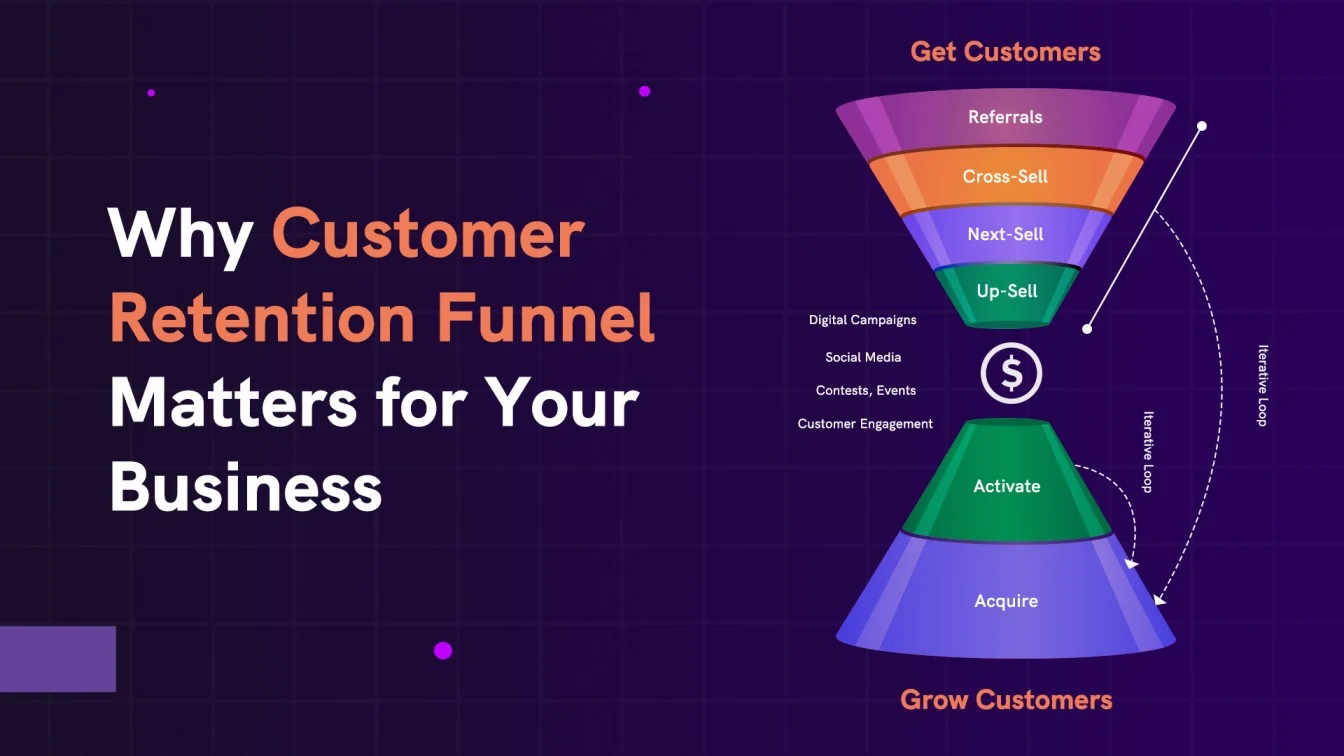
In online business, growth doesn’t come from chasing one-time sales. It comes from building profitable, long-term customer relationships. That’s why Customer Lifetime Value (CLV) has become one of the most important metrics for founders, marketers, and revenue teams.
CLV shifts the focus from short-term wins to sustainable value, helping businesses make smarter decisions about marketing, pricing, retention, and customer experience.
What Is Customer Lifetime Value (CLV)?
Customer Lifetime Value is the total revenue a business can reasonably expect from a single customer over the entire duration of their relationship.
Instead of asking “How much did we make from this sale?”, CLV asks:
“How much is this customer worth to us over time?”
This perspective is critical for online businesses where acquisition costs, competition, and churn directly affect profitability.
Why Customer Lifetime Value Matters More Than Most Metrics
Many businesses obsess over traffic, clicks, or monthly sales. While these metrics are useful, they don’t reveal whether growth is healthy or sustainable.
CLV matters because it:
- Guides smarter marketing spend by defining how much you can afford to acquire a customer
- Highlights retention opportunities that increase revenue without increasing ad costs
- Reveals true profitability, not just surface-level growth
- Aligns teams around long-term customer satisfaction rather than short-term conversions
A business with a high CLV can outspend competitors, weather market shifts, and scale with confidence.
The Basic Customer Lifetime Value Formula
At its simplest, CLV can be calculated as:
CLV = Average Purchase Value × Purchase Frequency × Customer Lifespan
While this formula is a starting point, many online businesses expand it by factoring in:
- Gross margins
- Customer acquisition cost (CAC)
- Retention and churn rates
- Subscription or recurring revenue models
The goal isn’t mathematical perfection—it’s directional clarity for better decisions.
CLV vs. Customer Acquisition Cost (CAC)
One of the most powerful uses of CLV is comparing it to Customer Acquisition Cost.
A healthy online business typically follows this rule:
- CLV should be at least 3x higher than CAC
If acquisition costs are too close to lifetime value, growth becomes fragile. When CLV significantly exceeds CAC, every new customer becomes a long-term asset.
What Drives Customer Lifetime Value in Online Businesses?
Several key factors directly influence CLV:
1. Customer Retention
Keeping customers longer almost always produces higher returns than acquiring new ones. Even small improvements in retention can lead to substantial revenue growth.
2. Purchase Frequency
Encouraging repeat purchases through subscriptions, replenishment reminders, or loyalty programs increases value without increasing acquisition costs.
3. Average Order Value (AOV)
Upsells, bundles, and personalized recommendations raise the value of each transaction.
4. Customer Experience
Clear onboarding, fast support, and consistent communication build trust—and trust drives longevity.
5. Brand Relationship
Customers who feel emotionally connected to a brand are more likely to stay, spend more, and refer others.
How CLV Shapes Smarter Business Decisions
When CLV is tracked correctly, it becomes a strategic tool rather than just a metric.
CLV helps businesses:
- Identify high-value customer segments worth prioritizing
- Decide which channels deserve more budget
- Optimize pricing and subscription models
- Improve product roadmaps based on long-term user behavior
- Forecast revenue with greater confidence
Instead of guessing where to invest, teams use CLV to invest where returns compound over time.
Practical Ways to Increase Customer Lifetime Value
Improving CLV doesn’t require massive overhauls. Small, consistent optimizations can produce meaningful results.
Effective strategies include:
- Email and SMS retention campaigns tailored to customer behavior
- Loyalty and referral programs that reward repeat engagement
- Personalized recommendations based on purchase history
- Post-purchase education that helps customers get more value
- Proactive customer support before problems escalate
The common theme is simple: make customers successful, and they’ll stay longer.
Common Mistakes Businesses Make With CLV
Even experienced teams misuse CLV when they:
- Focus only on averages instead of customer segments
- Ignore churn until revenue declines
- Overinvest in acquisition without retention planning
- Treat CLV as a static number rather than a living metric
CLV should be revisited regularly as products, pricing, and customer behavior evolve.
Why CLV Is the Foundation of Sustainable Online Growth
Online businesses that prioritize Customer Lifetime Value build resilient revenue systems. They spend more efficiently, grow more predictably, and develop stronger customer relationships.
In crowded digital markets, the businesses that win are not the ones that sell the most today—but the ones that keep customers longest.
Frequently Asked Questions (FAQs)
What is a good Customer Lifetime Value for an online business?
A “good” CLV depends on your industry and margins, but it should significantly exceed your customer acquisition cost to ensure sustainable growth.
How often should CLV be calculated?
Most online businesses review CLV monthly or quarterly to track trends and evaluate changes in marketing or retention strategies.
Is CLV only useful for subscription businesses?
No. CLV is valuable for eCommerce, SaaS, marketplaces, and service-based businesses—any model with repeat customers.
Can CLV be improved without increasing prices?
Yes. Retention, purchase frequency, and customer experience improvements often raise CLV without changing pricing.
How does churn affect Customer Lifetime Value?
Higher churn shortens customer lifespan, directly lowering CLV and making acquisition efforts less profitable.
Should startups focus on CLV early?
Yes. Early CLV insights help startups avoid unscalable acquisition strategies and build healthier growth models.
What tools are commonly used to track CLV?
Analytics platforms, CRMs, and customer data tools are often used together to calculate and monitor CLV accurately.