

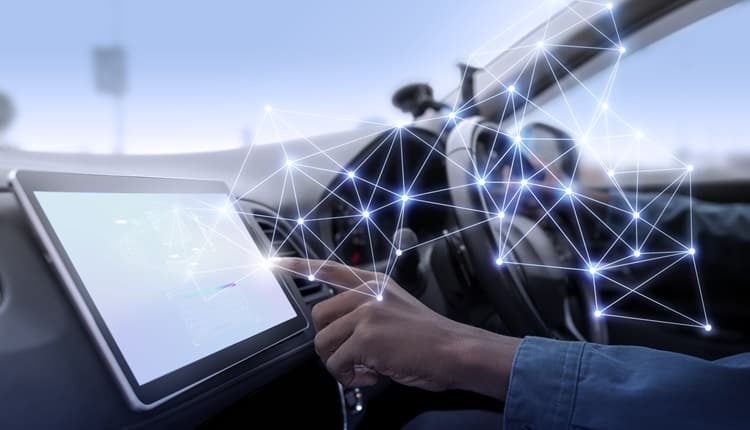
The automotive industry is undergoing a monumental transformation, driven by technological advances, evolving consumer demands, and a rapidly changing regulatory environment. Once defined by mechanical innovation and efficiency, the future of automotive manufacturing and mobility now hinges on connectivity, sustainability, and autonomy. The seismic shifts in the industry present opportunities and challenges alike, and understanding the key trends that are driving these changes is essential for both traditional automakers and new entrants vying for a stake in this evolving market.
As we look ahead to 2025 and beyond, several crucial trends are defining the automotive transformation. These are not merely passing fads, but trends that have the potential to reshape the very nature of how we drive, build, and think about vehicles. The following trends highlight what’s working in the industry as it moves toward a future of smarter, more sustainable, and more personalized transportation.
1. Electrification and the Rise of Electric Vehicles (EVs)
Undoubtedly, the most significant shift in the automotive industry is the push toward electrification. The demand for electric vehicles (EVs) is surging, driven by a combination of regulatory pressure, environmental concerns, and technological breakthroughs that are making electric vehicles more practical and affordable than ever before. Governments around the world are introducing stricter emissions standards and offering incentives for EV purchases, which has catalyzed both consumer interest and industry investment.
What’s working in this shift is the increasing range and efficiency of electric vehicles, coupled with advances in charging infrastructure. In the past, one of the major barriers to EV adoption was “range anxiety” — the fear of running out of battery power before reaching a charging station. Today, however, improvements in battery technology are allowing EVs to travel farther on a single charge, making them more viable for everyday use. Moreover, as charging stations become more widespread, and faster charging options become available, owning an electric vehicle is becoming more convenient for consumers.
Key Players: Tesla has undoubtedly been a leader in pushing the boundaries of EV technology, but legacy automakers such as Volkswagen, General Motors, and Ford are also embracing electrification with aggressive plans for EV rollouts. In addition, new entrants like Rivian and Lucid Motors are bringing fresh perspectives to the market, while tech companies like Apple and Google are rumored to be entering the space as well.
What’s Working: Government policy, advances in battery technology, and improved consumer awareness are converging to make electric vehicles more mainstream. The focus is now shifting from merely providing EVs to ensuring they are accessible, practical, and capable of competing with traditional vehicles on price and performance.
2. Autonomous Vehicles and Driver Assistance Technologies
Autonomous vehicles (AVs) represent another significant evolution in the automotive sector. While full autonomy (Level 5) is still a work in progress, the incremental introduction of semi-autonomous features, such as adaptive cruise control, lane-keeping assist, and automated parking, is already making a difference in improving driver safety and convenience.
What’s particularly notable is the gradual integration of these advanced driver assistance systems (ADAS) into production vehicles. Companies are not waiting for fully autonomous cars to be perfected before offering drivers some benefits. In fact, many modern vehicles now come equipped with a suite of semi-autonomous features that make driving easier and safer, while simultaneously laying the groundwork for the eventual rollout of fully autonomous vehicles.
Key Players: Waymo, a subsidiary of Alphabet (Google’s parent company), is one of the most notable players pushing the envelope in autonomous driving technology. Other major players in this field include Tesla, Uber, and established automakers such as Ford and GM, which are investing heavily in self-driving technology.
What’s Working: The incremental introduction of semi-autonomous features is leading to improved driver experiences and safety, while creating a solid foundation for the eventual mainstream adoption of autonomous vehicles. As technologies like machine learning, sensor systems, and real-time data analytics evolve, so too will the capabilities of autonomous vehicles.
3. Connectivity and the Connected Car
The automobile is becoming increasingly integrated into the broader digital ecosystem. Today’s vehicles are not just modes of transportation; they are becoming connected hubs that offer a range of features beyond traditional driving. From infotainment systems and navigation to real-time diagnostics and over-the-air (OTA) updates, the connected car is quickly becoming an essential part of the IoT (Internet of Things) revolution.
What’s driving this trend is the consumer desire for a seamless digital experience both inside and outside the vehicle. Connectivity enables drivers and passengers to remain linked to the digital world, whether through advanced infotainment systems, smart assistants, or seamless integration with smartphones and smart home devices. Additionally, connected vehicles can improve the driving experience by offering real-time traffic information, predictive maintenance, and route optimization.
Key Players: Companies like Apple and Google, through their Android Auto and Apple CarPlay systems, have already integrated deeply into vehicles. At the same time, automakers such as BMW, Audi, and Mercedes-Benz are rolling out proprietary infotainment and connectivity systems. Furthermore, companies like Verizon and AT&T are providing the 5G infrastructure that will support the connected car ecosystem.
What’s Working: The automotive sector is capitalizing on the growing demand for digital connectivity, delivering vehicles that integrate seamlessly into the broader digital landscape. By offering a more immersive and connected driving experience, automakers are catering to the needs of today’s tech-savvy consumers.
4. Sustainability and Green Manufacturing
As environmental concerns become increasingly urgent, automotive manufacturers are focusing on sustainability—not just in terms of the vehicles they produce, but also in how they produce them. Green manufacturing practices are gaining traction, with a focus on reducing emissions, using sustainable materials, and optimizing production processes to reduce waste.
What’s working here is the widespread adoption of circular economy principles, where manufacturers look to reuse and recycle materials whenever possible. Many carmakers are using lighter, more sustainable materials such as recycled metals, plastics, and even plant-based composites. Additionally, automakers are making strides in the carbon-neutral manufacturing of vehicles, committing to reduce their environmental impact throughout the production lifecycle.
Key Players: Volvo and BMW are leading the way in sustainable practices, with Volvo pledging to make 50% of its vehicles electric by 2025, and BMW focusing on carbon-neutral production. Toyota, known for its hybrid technology, is also increasing its efforts to reduce the environmental footprint of its vehicles.
What’s Working: The automotive industry’s increasing focus on sustainability is addressing consumer demand for more environmentally responsible products. These efforts are helping to position manufacturers as leaders in the fight against climate change, while also ensuring that consumers have access to greener vehicles that align with their values.
5. Mobility as a Service (MaaS) and Shared Mobility
The concept of Mobility as a Service (MaaS) is reshaping how we think about car ownership and urban mobility. Rather than owning a vehicle, consumers are increasingly interested in accessing transportation as a service. Ride-hailing, car-sharing, and subscription models are gaining popularity, offering a more flexible and cost-effective alternative to traditional vehicle ownership.
What’s working in this trend is the rise of shared mobility solutions that allow consumers to use vehicles on-demand, rather than commit to the costs and responsibilities associated with owning a car. This trend is driven in part by millennials and Gen Z, who place more value on access over ownership. As cities become more congested and sustainability concerns rise, MaaS offers a viable solution to urban mobility.
Key Players: Uber and Lyft are the obvious leaders in ride-hailing, but companies like Zipcar, Turo, and Car2Go are leading the way in car-sharing models. At the same time, traditional automakers are adapting to this trend, with companies like Ford and General Motors launching their own mobility services.
What’s Working: The growth of MaaS is making transportation more flexible, cost-efficient, and sustainable. This shift is not only beneficial for consumers but also presents an opportunity for automakers to diversify their business models and tap into new revenue streams.
Conclusion
The automotive industry is transforming at a pace that is both exciting and challenging. From the rise of electric vehicles to the integration of autonomous driving technologies, connectivity, and sustainability, the sector is embracing innovation to meet the demands of the modern consumer. While these trends are still evolving, there is little doubt that they will shape the future of transportation for decades to come.
What works in automotive transformation is the constant push toward adaptation and improvement. By embracing these trends, automakers are not only redefining the driving experience but also paving the way for a future that is smarter, more sustainable, and more connected than ever before. As we look to the horizon, these trends will continue to evolve, offering new opportunities for innovation and reshaping the automotive landscape in profound ways.