
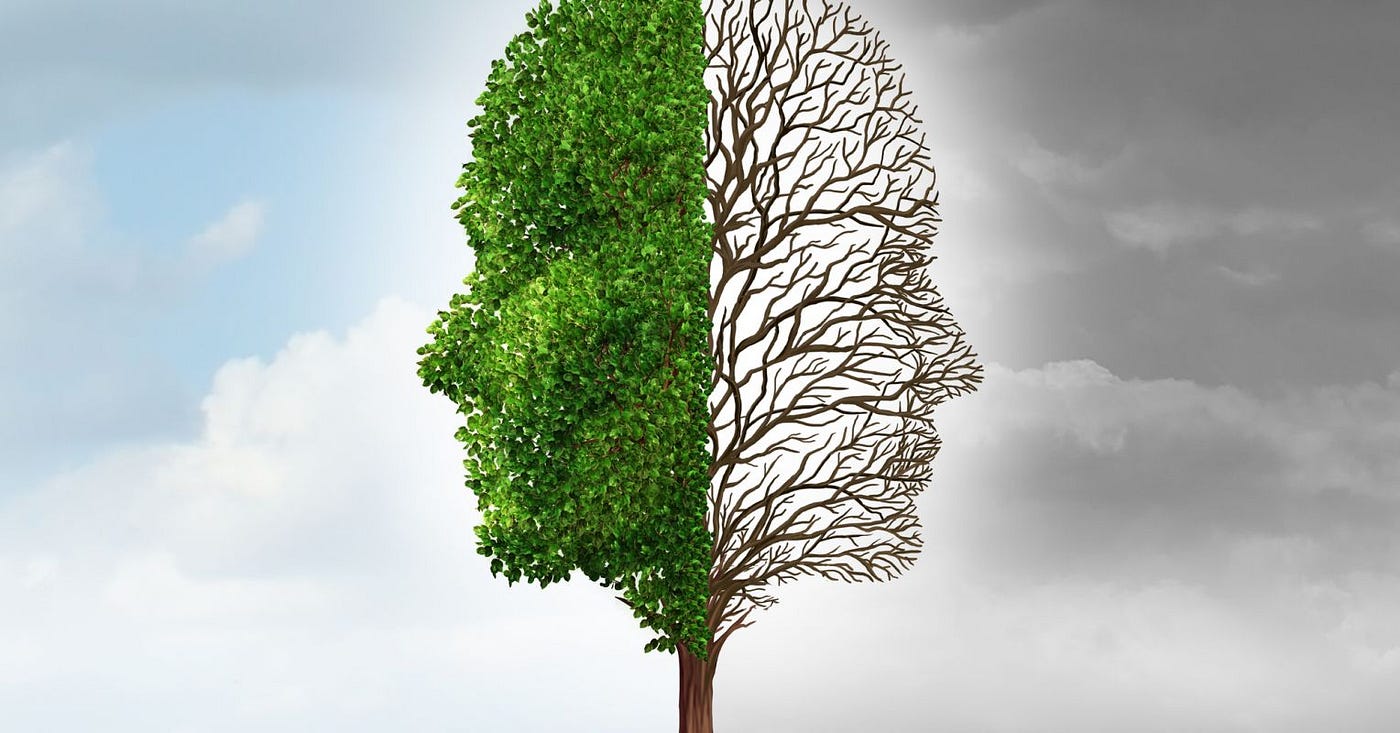

Change is unavoidable in both personal and professional life. Markets evolve, technologies advance, roles shift, and priorities realign. Yet, despite its inevitability, change often triggers resistance. Growth does not come from avoiding disruption—it comes from learning how to move through transitions with clarity, empathy, and intention.
This article explores how individuals and organizations can manage transitions smoothly, reduce friction, and turn change into a catalyst for sustainable growth.
Understanding Why Change Creates Resistance
Resistance is rarely about the change itself. It is usually rooted in uncertainty, fear, or loss of control. When people feel unprepared or unheard, even positive change can feel threatening.
Common reasons resistance occurs include:
- Fear of the unknown or failure
- Loss of familiarity or status
- Lack of trust in leadership or decision-makers
- Poor communication or unclear expectations
- Emotional attachment to existing processes
Recognizing these drivers is the first step toward addressing them effectively.
Reframing Change as a Growth Opportunity
Change becomes easier to manage when it is reframed not as disruption, but as progress in motion. Growth requires movement, and movement naturally brings discomfort before improvement.
A healthier mindset toward change focuses on:
- Learning over loss
- Adaptation over control
- Long-term value over short-term discomfort
When people understand why change matters and how it aligns with shared goals, resistance begins to soften.
The Three Phases of a Successful Transition
Every transition follows a psychological and practical progression. Managing each phase thoughtfully reduces pushback and confusion.
1. Letting Go of the Old
This phase involves acknowledging what is ending. Ignoring this step can create silent resistance.
Helpful actions include:
- Recognizing past efforts and achievements
- Allowing space for emotions and questions
- Clearly explaining what will change and what will not
2. Navigating the Neutral Zone
This is the most unstable phase, where old ways no longer apply but new ones are not fully formed.
To stabilize this phase:
- Offer guidance without micromanaging
- Encourage experimentation and feedback
- Reinforce short-term wins to build confidence
3. Embracing the New Beginning
Here, new behaviors and systems start to feel normal. This is where growth becomes visible.
Support this phase by:
- Reinforcing new habits and expectations
- Providing ongoing training or resources
- Celebrating progress and milestones
Leadership’s Role in Reducing Resistance
Leadership plays a decisive role in how change is received. Resistance often increases when people feel change is imposed rather than guided.
Effective leaders during transitions:
- Communicate early, honestly, and consistently
- Listen actively and validate concerns
- Model adaptability through their own behavior
- Align change initiatives with clear purpose
Transparency builds trust, and trust significantly lowers resistance.
Practical Strategies to Manage Change Without Pushback
Managing transitions smoothly requires both structure and empathy. The following strategies are proven to reduce resistance:
- Involve people early in planning and decision-making
- Break large changes into manageable steps
- Provide clear timelines and expectations
- Equip teams with skills and tools before change occurs
- Encourage open dialogue instead of forced compliance
When people feel included rather than directed, cooperation replaces resistance.
Building a Change-Ready Culture
Sustainable growth depends on more than one successful transition. It requires a culture that views change as normal rather than disruptive.
A change-ready culture emphasizes:
- Continuous learning and adaptability
- Psychological safety and open communication
- Shared ownership of outcomes
- Curiosity instead of fear
Over time, this mindset transforms resistance into resilience.
Measuring Growth After Change
Growth through change should be evaluated, not assumed. Measuring outcomes ensures that transitions deliver real value.
Key indicators to monitor include:
- Engagement and morale levels
- Productivity and performance metrics
- Skill development and capability growth
- Feedback quality and innovation rates
Data combined with human insight provides a clear picture of whether change is truly working.
Final Thoughts
Growth through change is not about eliminating discomfort—it is about guiding people through it with intention and care. When transitions are managed thoughtfully, resistance fades, confidence rises, and growth becomes a shared achievement rather than a forced adjustment.
Change handled well does more than improve systems; it strengthens people.
Frequently Asked Questions (FAQs)
1. Why do people resist change even when it is beneficial?
Resistance often comes from fear of uncertainty, loss of control, or lack of clear communication rather than the change itself.
2. How can leaders identify early signs of resistance?
Early signs include disengagement, decreased communication, missed deadlines, or passive compliance without enthusiasm.
3. Is resistance always a negative response?
No. Resistance can highlight valid concerns and blind spots, offering valuable insights for improving the change process.
4. How long does it typically take for people to adapt to change?
Adaptation timelines vary, but most transitions stabilize when communication, support, and clarity are consistently provided.
5. Can change be successful without strong leadership?
While peer support helps, strong leadership is critical for alignment, trust, and sustained momentum during transitions.
6. How can organizations maintain morale during major changes?
By acknowledging emotions, celebrating small wins, maintaining transparency, and ensuring people feel supported throughout the process.
7. What is the most important factor in managing change without resistance?
Clear purpose combined with empathetic communication is the most powerful driver of acceptance and long-term growth.